
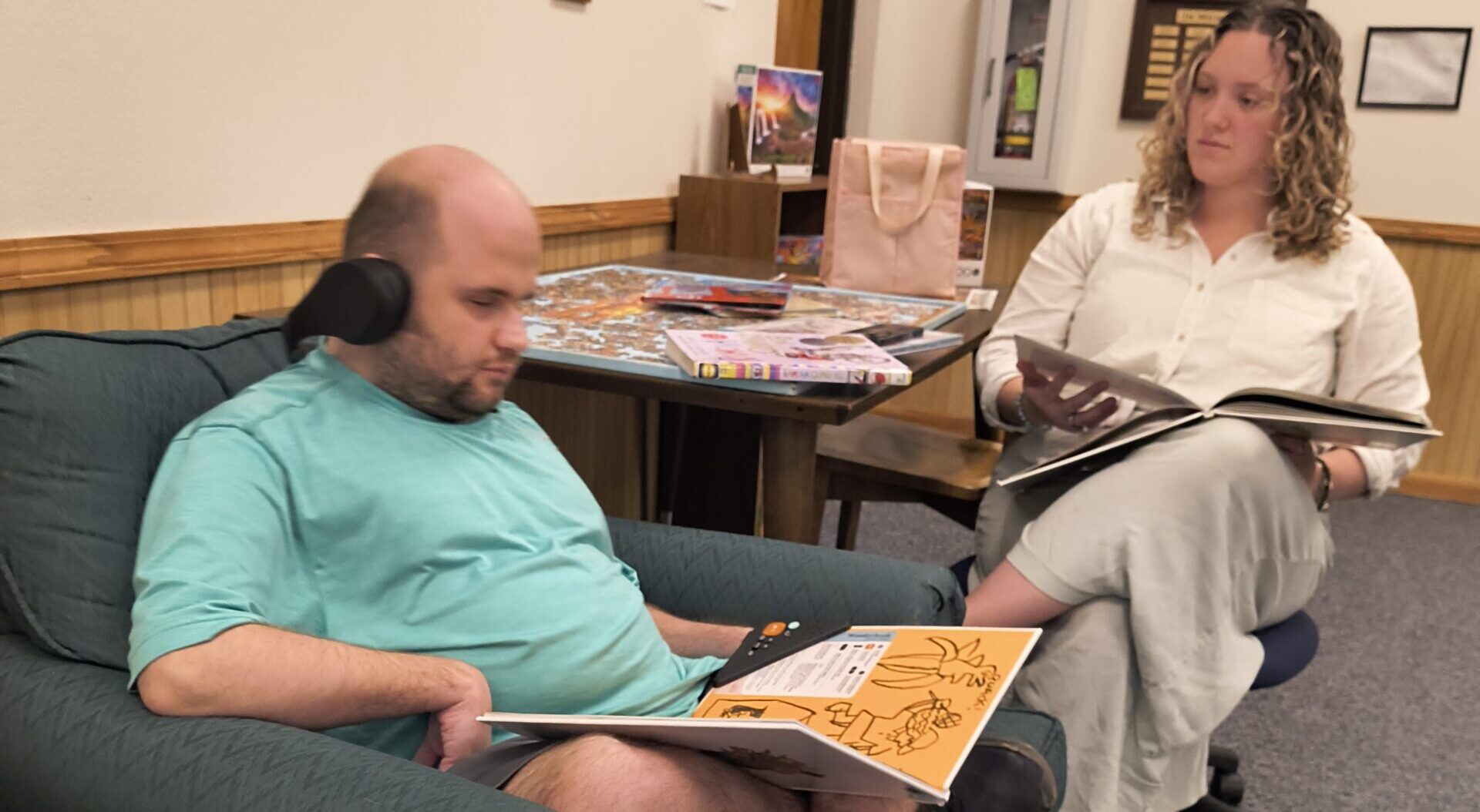
When people hear “ABA therapy,” they often think of young children. But the truth is that adults with intellectual and developmental disabilities (IDD) can benefit from ABA services too—and in ways that can make a real difference in everyday life.
As adults navigate work, relationships, community involvement, and independent living, they often face new challenges and opportunities. ABA services can provide practical, personalized support to help individuals build skills, gain confidence, and work toward the goals that matter most to them.
It’s All About the Individual
One of the things we love most about ABA is that it isn’t a one-size-fits-all service. Every person has their own strengths, interests, dreams, and support needs. ABA starts by getting to know the individual and understanding what’s important to them.
For one person, the goal might be learning to manage a daily routine independently. For someone else, it could be getting a job, making new friends, or becoming more involved in the community. ABA helps break those goals into achievable steps and provides support along the way.
Building Everyday Life Skills
Many adults with IDD want more independence in their daily lives. ABA can help teach practical skills that make everyday tasks easier and more manageable, such as:
- Preparing meals
- Managing personal hygiene and self-care
- Keeping track of schedules and appointments
- Using public transportation
- Managing money
- Completing household chores
These may seem like small tasks, but mastering them can have a huge impact on confidence and independence.
Supporting Success at Work
Having a job can provide purpose, financial independence, and opportunities to connect with others. ABA services can help adults develop workplace skills that lead to greater success on the job.
This might include learning how to:
- Follow a schedule
- Stay organized
- Communicate with supervisors and coworkers
- Adapt to changes in routine
- Problem-solve when challenges arise
The goal isn’t just getting a job—it’s helping individuals feel confident and capable in the workplace.
Strengthening Social Connections
Relationships are an important part of life for everyone. Sometimes adults with IDD may need support developing social or communication skills that help them build and maintain meaningful connections.
ABA can help individuals practice:
- Starting and maintaining conversations
- Building friendships
- Expressing wants and needs
- Understanding social expectations
- Participating in community activities
These skills can open doors to new experiences, stronger relationships, and a greater sense of belonging.
Encouraging Self-Advocacy
One of the most valuable outcomes of ABA services is helping individuals find and use their own voice.
Adults with IDD deserve opportunities to make choices about their lives, express their preferences, and advocate for what they need. ABA can support the development of these self-advocacy skills by helping individuals communicate effectively, make informed decisions, and take an active role in achieving their goals.
Focusing on Quality of Life
At the end of the day, ABA isn’t about changing who someone is. It’s about providing tools, strategies, and support that help individuals live the life they want to live.
Whether the goal is greater independence, stronger relationships, employment success, or increased community involvement, ABA focuses on helping people build the skills they need to thrive.
Looking Ahead
Adults with IDD continue to learn, grow, and reach new milestones throughout their lives. With the right support, there are endless opportunities for personal growth and achievement.
ABA services can be an important part of that journey—helping individuals gain confidence, develop meaningful skills, and enjoy greater independence while pursuing the goals that matter most to them.
Because everyone deserves the opportunity to live a fulfilling life, make their own choices, and be an active part of their community.
If you or someone you know is interested in more information on ABA services through SCDDB, contact your LinkAbility or CC Links Service Coordinator, or Meg Horne at mhorne@stoneddboard.com or 417-839-0413.